Table of Contents
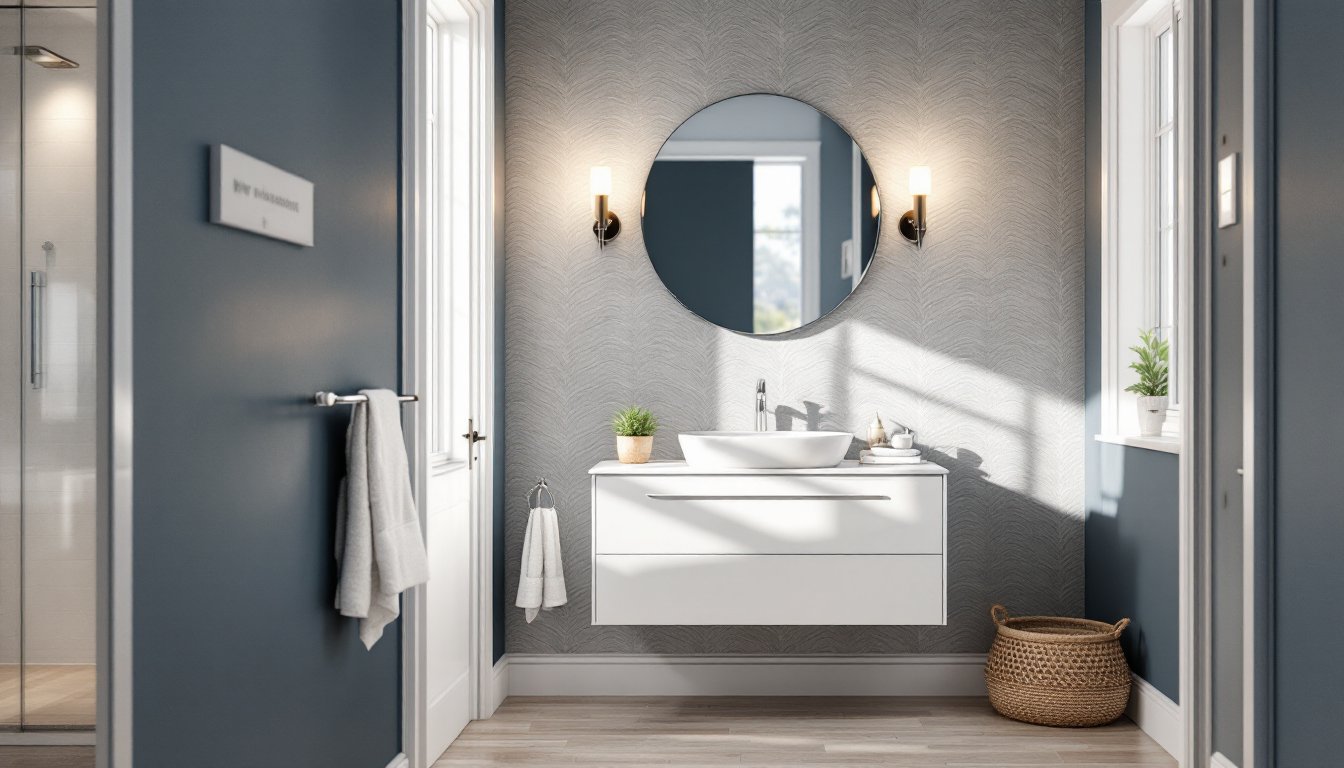
ToggleBathroom walls often get overlooked in renovation planning, but they’re one of the most powerful tools for changing how the space looks and feels. A fresh wall treatment can shift a dated bathroom into something modern, turn a cold room warmer, or make a cramped powder room feel twice its size. Whether you’re planning a full gut or a quick weekend refresh, the walls set the tone for everything else. This guide walks through proven design strategies, textured tile, bold paint, natural materials, wallpaper, and budget-friendly tweaks, that deliver real impact without requiring a contractor’s license.
Key Takeaways
- Bathroom wall design ideas like textured tile, bold paint, and natural materials can visually expand small spaces and improve the entire room’s character without expensive structural changes.
- Textured tiles with 3D patterns, hexagonal mosaics, or ledger panels add depth and dimension while requiring proper waterproofing and a flat substrate for best results.
- Bathroom-specific paint with mildew-resistant additives in dark, saturated colors works surprisingly well in small bathrooms when paired with white trim and good task lighting.
- Moisture-resistant wallpaper options including solid vinyl, non-woven, and peel-and-stick designs provide an affordable way to refresh walls while avoiding traditional paper-backed materials that mold.
- Budget-friendly DIY upgrades like peel-and-stick tile, board-and-batten accents, and grout refresh can transform a bathroom in a weekend for under $200 while improving durability.
- Proper preparation—including thorough cleaning, substrate smoothing, and adequate ventilation—is critical for any bathroom wall treatment to ensure longevity and moisture resistance.
Why Bathroom Wall Design Matters More Than You Think
Bathrooms take more abuse than nearly any other room. Humidity, temperature swings, water splashes, and cleaning chemicals all hit the walls daily. That means wall finishes need to be both durable and moisture-resistant, but they also shape how the space feels every time someone steps inside.
A well-planned wall design can visually expand a small bathroom, hide awkward angles, or draw the eye to architectural features like a soaking tub or window. It also influences lighting. Glossy tiles reflect light and brighten dim spaces, while matte or textured walls absorb it and add warmth.
From a practical standpoint, bathrooms are often the smallest rooms in a house, which makes wall treatments one of the most cost-effective upgrades per square foot. Even a modest investment, new paint, peel-and-stick tile, or a single accent wall, can shift the room’s entire character without tearing out plumbing or moving fixtures. That’s why walls should be part of any bathroom project plan, not an afterthought.
Textured Tile Designs That Add Depth and Dimension
Flat subway tile is reliable, but textured tile brings walls to life. Three-dimensional patterns, like hexagonal relief, wavy surfaces, or geometric ridges, catch light differently throughout the day and create visual interest without adding color.
Popular textured tile options include:
- 3D wave or ripple tiles: Create movement on accent walls behind vanities or tubs. Usually porcelain or ceramic, available in 12″ x 24″ planks.
- Hexagonal or penny round mosaics: Add depth through repetition and grout lines. Great for wet zones: most come on 12″ x 12″ mesh sheets for easier install.
- Stacked stone or ledger panels: Thin-cut natural stone (slate, quartzite, travertine) for a spalike feel. Check weight: some require backer board upgrade.
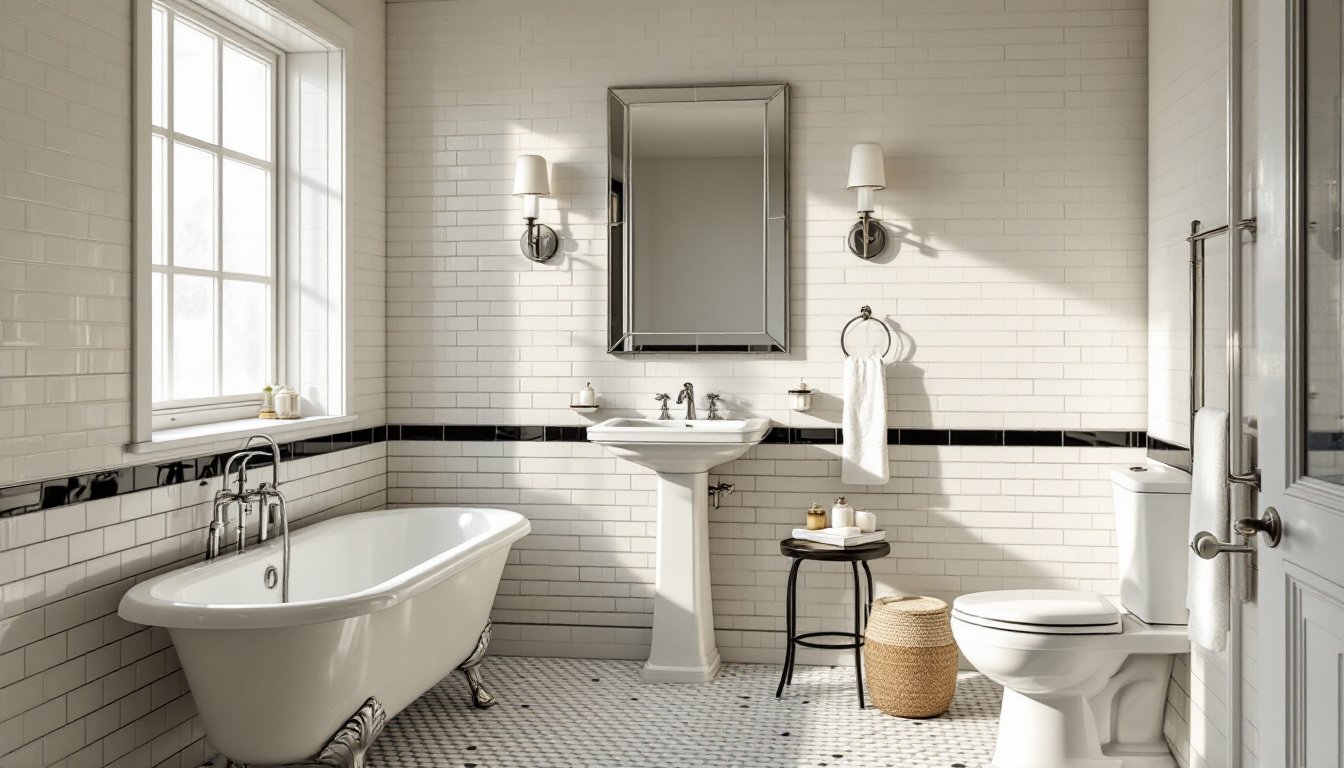
- Dimensional subway tiles with beveled or pillowed edges: A subtle step up from standard flat profiles.
Installation follows standard tile practices, waterproof membrane (like Schluter Kerdi or RedGard) on drywall or cement board, then thin-set mortar. Textured surfaces can telegraph imperfections, so ensure the substrate is flat (within 1/8″ over 10 feet). Use a 1/4″ x 3/8″ square-notch trowel for most wall tiles: adjust for larger formats.
Safety note: Textured tiles are heavier than flat ones. Wear cut-resistant gloves when handling cut edges, and use a wet tile saw with a diamond blade for clean cuts. Dust masks and eye protection are mandatory.
Grout choice matters. Unsanded grout works for joints under 1/8″: sanded for wider. In high-moisture areas, use epoxy grout or add a grout sealer to prevent mold. Light grout on textured tile shows dirt fast, medium to dark tones hide it better.
Bold Paint Colors and Accent Walls for Statement-Making Bathrooms
Paint is the fastest, cheapest wall upgrade, but bathrooms demand the right product. Standard interior latex won’t hold up. Use satin or semi-gloss bathroom paint with mildew-resistant additives (brands like Benjamin Moore Aura Bath & Spa, Sherwin-Williams Emerald, or Behr Premium Plus with antimicrobial protection). Coverage is typically 350–400 square feet per gallon: most bathrooms need less than a gallon.
Dark, saturated colors, charcoal, navy, forest green, even black, work surprisingly well in small bathrooms. They absorb light and make walls recede, which can actually make the room feel cozier rather than cramped. Pair them with white trim, bright fixtures, and good task lighting to avoid a cave effect.
Accent walls let you test bold color without committing the whole room. The wall behind the vanity or toilet is a natural choice, it’s the first thing visible from the doorway. If there’s a tub alcove or separate shower room, that’s another candidate.
Prep is everything. Bathrooms collect soap scum, hairspray residue, and mildew. Scrub walls with TSP (trisodium phosphate) substitute or a degreaser, rinse, let dry completely. Sand glossy areas lightly with 220-grit paper to help new paint bite. Patch any dings with lightweight spackling compound, sand smooth, prime patches with a stain-blocking primer (like Zinsser BIN or Kilz).
Two coats minimum. Cut in edges with a 2″ angled brush, then roll with a 3/8″ nap roller for smooth surfaces or 1/2″ for textured drywall. Let the first coat dry at least four hours (longer in humid climates), then apply the second.
Ventilation is critical. Run the bathroom fan during and after painting. If there’s no fan, crack a window and use a box fan to push air out. Proper airflow prevents moisture from interfering with cure time and reduces fume exposure. Wear a respirator with organic vapor cartridges if working in a poorly ventilated space.
Natural Materials: Bring the Outdoors In
Natural materials add warmth and texture, but not all are bathroom-friendly. The key is choosing species and finishes that tolerate moisture.
Wood planks or shiplap can work on walls away from direct water contact, above wainscoting, on ceilings, or in powder rooms. Use cedar, redwood, or pressure-treated pine for better rot resistance. Seal with a marine-grade polyurethane or exterior-grade stain. Skip untreated softwoods: they’ll warp and mold.
For wet zones, consider wood-look porcelain tile. It mimics planks in oak, walnut, or reclaimed barn wood without the maintenance. Install it like any other tile, with waterproof membrane underneath.
Natural stone, marble, travertine, slate, limestone, delivers luxury but requires care. Stone is porous, so seal it with a penetrating sealer (like Miracle 511 or Aqua Mix) before grouting and reseal annually. Marble etches with acidic cleaners: use pH-neutral products only. Slate and travertine are more forgiving.
Stone comes in slabs (cut to size, installed like drywall panels with adhesive and mechanical fasteners) or tiles (thin-set installation). Slabs need professional fabrication and are heavy, verify wall framing can handle the load. Standard 2×4 studs at 16″ on center are usually fine for stone tile: slabs may require 2×6 framing or steel reinforcement.
Cork and bamboo panels are emerging options. Cork is naturally antimicrobial and water-resistant when sealed. Bamboo panels (strand-woven, not veneer) hold up well but need sealing. Both install with construction adhesive over drywall.
For a spalike vibe without natural stone cost, try large-format interior design strategies using porcelain slabs. They’re thinner, lighter, and easier to maintain than real marble or granite.
Safety: Natural materials are heavy. Wear steel-toe boots and back support when moving stone. Use a wet saw with proper blade guard and hearing protection. Stone dust is silica-based, use a NIOSH-approved N95 or P100 respirator, not a paper dust mask.
Creative Wallpaper Options for Moisture-Prone Spaces
Wallpaper in bathrooms used to be a guaranteed mold problem. Not anymore. Modern vinyl, vinyl-coated, or non-woven wallpapers handle humidity well, and some are even scrubbable.
Look for these features:
- Solid vinyl or vinyl-coated: Water-resistant surface, wipes clean. Good for powder rooms and walls away from the shower.
- Non-woven: Breathable, mold-resistant, easy to remove (peels off in sheets). Can handle moderate moisture.
- Peel-and-stick (removable wallpaper): Adhesive backing, no paste needed. Great for renters or commitment-phobes. Not as durable, but easy to replace.
Avoid traditional paper-backed or grasscloth wallpapers in bathrooms, they’ll peel and mildew.
Installation tips:
Prime walls first with acrylic primer-sealer (like Gardz or Sherwin-Williams ProMar 200). This seals the drywall and makes future removal easier. Make sure walls are smooth: wallpaper telegraphs every dent and seam.
For paste-the-wall vinyl, use a vinyl-specific adhesive (heavy-duty, mildew-resistant). Roll it on with a short-nap roller, hang the strip, smooth with a plastic smoother or damp sponge, then roll seams with a seam roller. Wipe excess paste immediately, dried paste shows through.
Peel-and-stick is more forgiving. Measure, cut, peel backing, position at the top, smooth down as you go. If it goes crooked, peel it back and reposition.
Where to use it:
- Accent wall behind the vanity or toilet
- Upper half of walls above tile wainscoting
- Ceiling (yes, really, creates a “fifth wall” effect)
- Powder rooms and half-baths (less moisture than full baths)
Skip wallpaper in shower enclosures or directly behind tubs unless it’s specifically rated for wet zones. Even then, tile is a safer bet.
Many bathroom design guides recommend wallpaper as a low-commitment update for rental bathrooms, since quality peel-and-stick removes without damaging paint.
Budget-Friendly DIY Wall Upgrades You Can Tackle This Weekend
Not every bathroom makeover needs a four-figure budget or a week off work. These projects take a weekend or less and use materials under $200.
1. Peel-and-stick tile
PVC or gel-backed tile sheets stick directly over painted drywall or existing tile. Available in subway, hexagon, and mosaic patterns. Coverage: about 10 square feet per box ($30–$50/box). Clean the wall, peel, stick, press firm. Cuts with scissors or a utility knife. Not for inside showers, but fine for backsplashes and dry walls.
2. Board-and-batten accent wall
Use 1×2 or 1×3 pine boards (actual dimensions 3/4″ x 1.5″ or 3/4″ x 2.5″) spaced evenly over a painted wall. Attach with brad nailer and 1.5″ nails, or construction adhesive and finish nails. Fill nail holes with DAP Plastic Wood, sand, prime, and paint. Adds architectural detail for about $50–$75 in materials.
3. Stenciled pattern
Buy or cut a reusable stencil (Moroccan tile, geometric, floral). Tape it to the wall, dab paint with a stencil brush or foam roller. Move and repeat. Use high-contrast colors for impact. Costs under $30 for stencil and a quart of paint.
4. Half-wall wainscoting
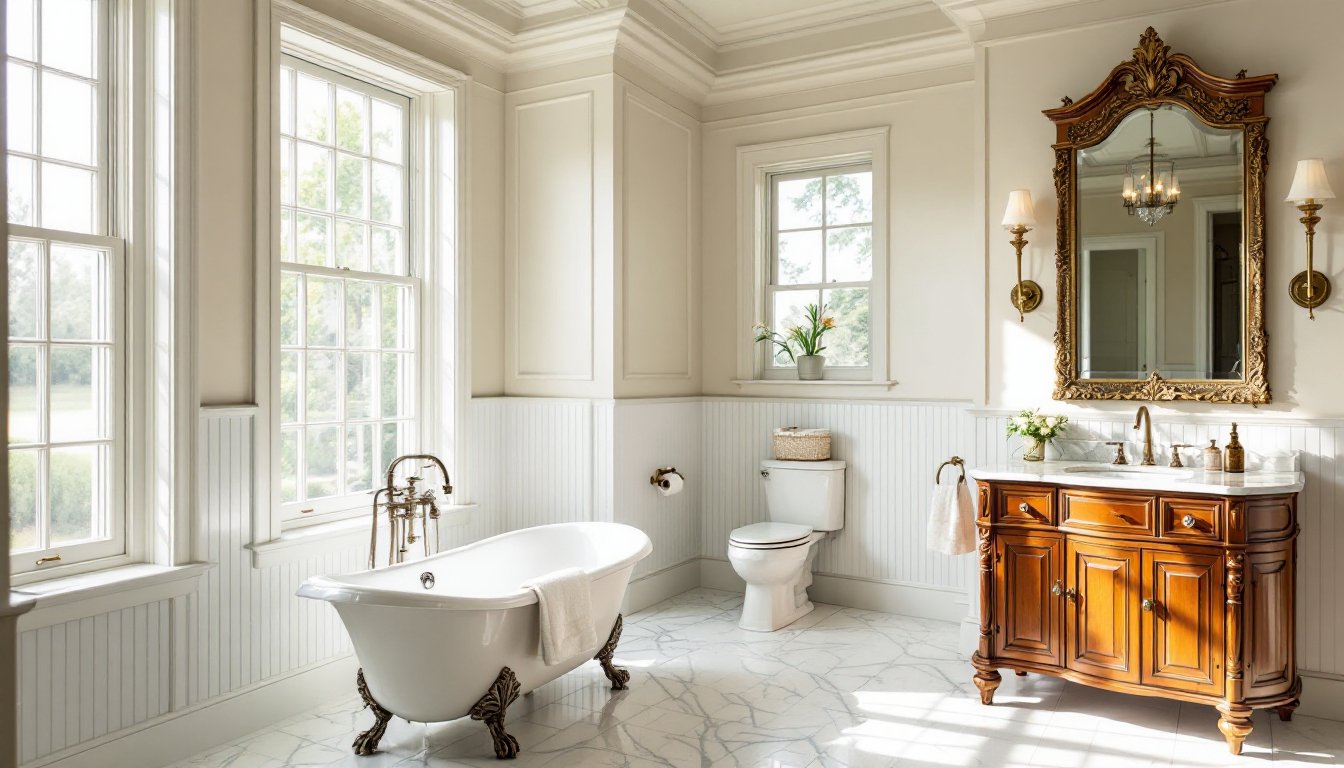
Install beadboard panels (4×8 sheets, about $25 each) up to 36″–42″ high, cap with a 1×4 chair rail, paint the upper wall a contrasting color. Panels attach with panel adhesive and brad nails into studs. Cuts with a circular saw or jigsaw. Adds traditional character to builder-grade bathrooms.
5. Grout refresh
If tile is sound but grout is stained or cracked, re-grout or use a grout pen (like Grout-EEZ) to paint over old grout lines. Deep stains may need a grout saw to remove the top layer, then apply fresh grout. A tube of premixed grout costs about $8 and covers 50–100 linear feet. Sealing afterwards keeps it clean longer.
6. Large-format decals or wall art applications
Removable vinyl decals in botanical, abstract, or geometric designs stick to smooth walls and remove without residue. Size options run from small accents to floor-to-ceiling murals. Costs range from $20–$100 depending on size. Swap them seasonally or when you get bored.
For layout inspiration and product ideas, sites like Houzz and Homify offer thousands of real bathroom photos sortable by style, size, and budget.
Tools you’ll need for most of these:
- Measuring tape
- Level (2-foot or laser)
- Utility knife or scissors
- Paintbrushes and rollers
- Brad nailer or hammer and finish nails
- Caulk gun and paintable caulk
Safety: Even quick projects need safety glasses and a dust mask when cutting or sanding. If using adhesives or paint, ventilate the space.
Conclusion
Bathroom walls don’t have to stay boring. Whether it’s textured tile for a spa feel, bold paint to make a statement, natural materials for warmth, moisture-proof wallpaper, or a quick peel-and-stick fix, the options fit every skill level and budget. Start with the wall treatment that excites you most, prep thoroughly, and don’t skip the moisture-resistant products. A weekend of focused work can turn a forgettable bathroom into a space worth showing off.