Table of Contents
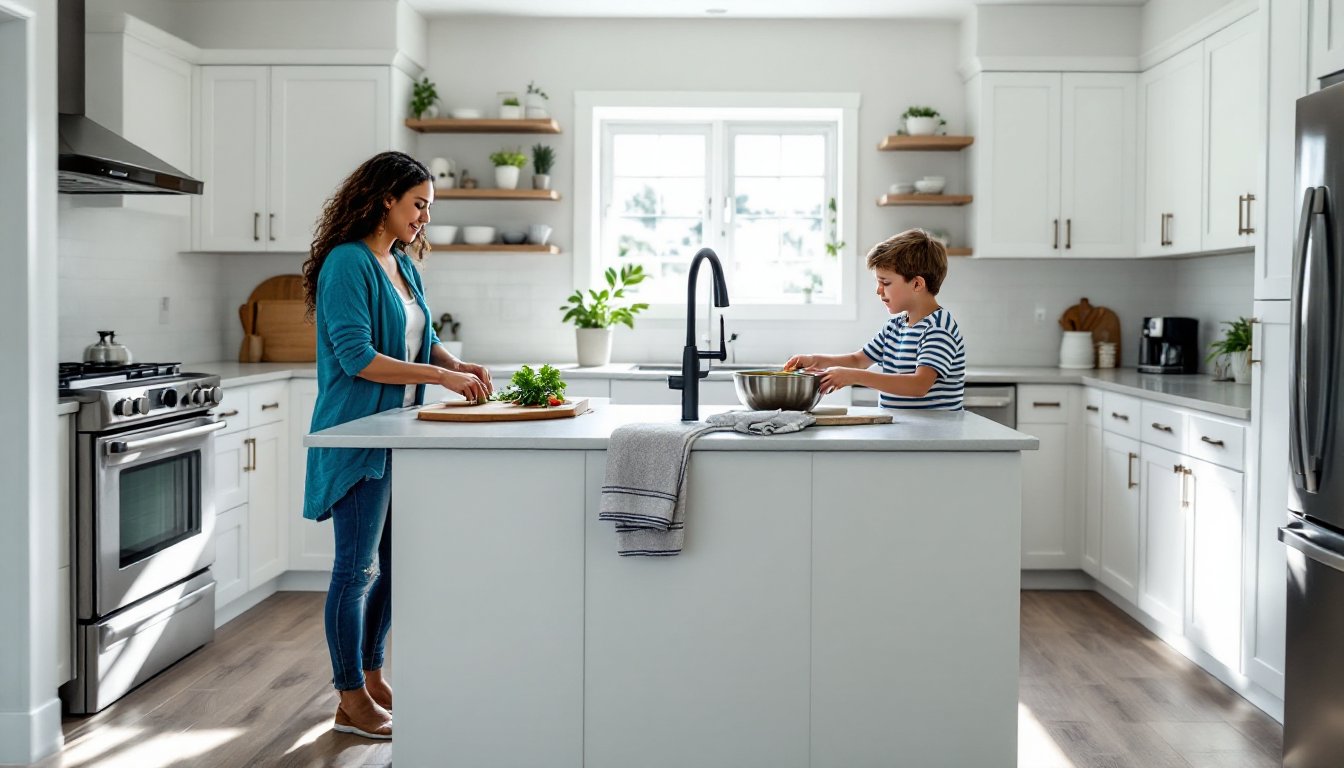
ToggleAn accessible kitchen isn’t just for wheelchair users or aging-in-place retrofits. It’s a smarter way to design any kitchen, one that works for a visiting grandparent, a kid helping with dinner, someone recovering from surgery, or a cook who just wants less strain on their back. Universal design principles borrow from ADA guidelines but apply to everyone. The result is a space that’s safer, more comfortable, and often more efficient. This guide walks through layout, storage, appliances, and finishes that make kitchens genuinely usable for people of all abilities, without sacrificing style or function.
Key Takeaways
- Accessible kitchen design benefits everyone—not just people with disabilities—by reducing injury risk, improving efficiency, and increasing home resale value.
- Essential layout principles include maintaining a 60-inch turning circle for wheelchairs, 42–48 inches between facing appliances, and at least 15–24 inches of landing zones next to major fixtures.
- Counter heights should include both 36-inch standard sections and 28–34-inch zones for seated prep work, with knee clearance of at least 19 inches for wheelchair access.
- Smart storage solutions like pull-out shelves, drawer-style base cabinets, and wall cabinets capped at 48 inches eliminate unsafe reaching and deep-cabinet crouch.
- Choose appliances and fixtures with front-mounted controls, side-lever faucets, wall ovens at 30–32 inches, and raised dishwashers to eliminate bending and overhead reaching.
- Slip-resistant flooring, under-cabinet task lighting, proper electrical outlet heights (18–24 inches), and level or ramped transitions create a safe, navigable accessible kitchen.
Why Accessible Kitchen Design Matters for Every Home
Accessibility isn’t a niche concern. According to the CDC, one in four adults in the U.S. lives with a disability, and most people will experience some form of mobility limitation during their lifetime. Designing with accessibility in mind increases resale value, extends how long homeowners can age in place, and makes everyday tasks easier for everyone.
Universal design also reduces injury risk. Lower shelves mean less reaching overhead with hot pans. Lever-style faucets work when hands are slippery or arthritic. Adequate clearance around islands prevents collisions and allows multiple cooks to move freely.
Many accessible features are required by the Americans with Disabilities Act (ADA) in commercial settings, but residential codes typically don’t mandate them. That means homeowners have flexibility, but also responsibility. A well-designed accessible kitchen anticipates future needs without looking institutional. It’s simply good design that happens to accommodate more people.
Essential Layout Principles for Accessible Kitchens
Start with clearances. The ADA recommends a 60-inch diameter turning circle for wheelchairs, though 5 feet works in tighter spaces. In galley or L-shaped kitchens, aim for 42 to 48 inches between facing cabinets or appliances to allow passage and maneuvering.
The classic work triangle (sink, stove, fridge) still applies, but accessible kitchens benefit from adjacent landing zones, at least 15 inches of counter space next to the cooktop and fridge, 24 inches on one side of the sink. This reduces carrying hot or heavy items across the room.
Knee clearance under sinks and cooktops is a game-changer for seated users. A 30-inch-wide by 27-inch-high opening allows a wheelchair to roll under. Use a shallow or offset sink (5 to 6 inches deep) and insulate or shield hot pipes to prevent burns. Wall-mounted or rear-drain sinks make plumbing easier to tuck out of the way.
If the kitchen is part of a larger remodel, consider widening doorways to 36 inches (the ADA standard for accessible passage). If that’s not feasible, offset hinges can add an extra inch or two of clearance without changing the frame.
Optimizing Counter Heights and Work Surfaces
Standard counters sit at 36 inches, which works for most standing users. But accessible kitchens often include a 28- to 34-inch counter section for seated prep work or for users of shorter stature. A tiered island with both heights lets multiple people cook comfortably.
If budget allows, adjustable-height counters (motorized or hand-crank) offer the most flexibility. These systems aren’t cheap, expect to pay $2,000 to $4,000 per section, but they’re ideal for multi-generational households.
For seated use, remember that knee clearance depth matters too: 19 inches minimum, though 25 inches is better. Drawers and cabinet doors beneath adjustable or lowered sections should be removable or designed to swing clear.
Keep frequently used work surfaces near appliances. A counter beside the oven, at the same height as the oven door when open, lets users slide heavy pans instead of lifting them. Some homeowners install a pull-out cutting board or work surface at a lower height, which also works as a laptop desk or assignments station.
Smart Storage Solutions for Universal Access
Upper cabinets are the enemy of accessible design, or at least the top shelves are. Wall-mounted cabinets should max out at 48 inches from the floor for the highest usable shelf. Better yet, swap upper cabinets for open shelving, which eliminates doors and makes contents visible at a glance.
Pull-out shelves, lazy Susans, and drawer-style base cabinets eliminate the need to crouch or reach deep into corners. Full-extension drawer slides (rated for at least 75 pounds) let users access the entire contents without leaning in. For pantry storage, kitchen organization systems with pull-out racks keep cans, spices, and dry goods within easy reach.
D-pull or bar-style cabinet handles are easier to grip than knobs, especially for users with limited hand strength. Mount them vertically on doors and horizontally on drawers for consistent, intuitive use. Touch-latch or push-to-open hardware works well for a seamless look, but some users find them less intuitive than a visible handle.
Consider a microwave drawer or a microwave installed in a base cabinet with a side-swing door. Over-the-range microwaves require reaching over a hot cooktop, an accessibility and safety issue. Drawer-style models sit at counter height and pull toward the user, making it easy to retrieve hot food.
Pot and pan storage benefits from deep drawers near the cooktop instead of stacking them in lower cabinets. Vertical dividers keep lids organized and prevent the avalanche effect. If you must use lower cabinets, install roll-out trays so nothing gets lost in the back.
Appliances and Fixtures That Enhance Accessibility
Wall ovens mounted at a comfortable height (typically with the bottom rack at 30 to 32 inches) eliminate bending. French-door models with side-by-side doors reduce reach compared to a single drop-down door. If a wall oven isn’t feasible, a slide-in or front-control range puts controls within reach and avoids leaning over burners.
Induction cooktops are safer than gas or electric coil burners, they don’t have open flames or red-hot elements, and they cool quickly once the pan is removed. Controls should be front-mounted or at the side: rear knobs force users to reach over heat.
Dishwashers with raised installations (6 to 12 inches off the floor) reduce bending. This can be as simple as building a platform or drawer beneath the unit. Some manufacturers offer dishwasher drawers, which can be stacked or installed at custom heights.
Touchless or lever-handle faucets are easier to operate than twist knobs. Look for models with pull-down sprayers that lock into place, no grip strength required. Side-mounted single-lever faucets are the gold standard for accessible sinks.
Refrigerators with bottom-mount freezers or French-door styles put fresh food at eye level. Side-by-side models split the vertical space, which can be easier for seated users but often have narrower shelf widths. If the kitchen layout allows, consider a counter-depth fridge to reduce reach and improve traffic flow.
Many appliance choices depend on budget and existing layout, but prioritize front controls, easy-grip handles, and placement that doesn’t require users to reach, bend, or cross the kitchen with hot or heavy items.
Flooring, Lighting, and Safety Considerations
Slip-resistant flooring is non-negotiable. Textured porcelain tile, luxury vinyl plank (LVP), or cork all offer good traction even when wet. Avoid high-gloss finishes and natural stone without a honed or textured surface. Grout lines should be flush or nearly flush to prevent wheelchair casters or walker feet from catching.
Transitions between rooms should be level or ramped if a height difference is unavoidable. The International Residential Code (IRC) allows up to a 1/4-inch vertical transition or a 1/2-inch transition with a beveled edge. Anything more requires a ramp with a slope no steeper than 1:12.
Lighting matters more than most DIYers realize. Task lighting under cabinets eliminates shadows on countertops. Pendant lights over islands should be on dimmers and positioned to avoid glare. Toe-kick lighting adds visibility at floor level and helps with nighttime navigation.
For aging-in-place projects, consider contrast in finishes. A dark countertop against light cabinets, or a contrasting edge trim, helps users with low vision distinguish surfaces. Matte finishes reduce glare better than glossy ones.
Electrical outlets should be mounted 18 to 24 inches above the counter (or at least 15 inches above the floor for base-level outlets) so users don’t have to bend or reach. Rocker-style switches are easier to operate than toggles. If the remodel involves adding circuits, consult the National Electrical Code (NEC), kitchens require at least two 20-amp small-appliance circuits, and GFCI protection is mandatory near water sources.
Fire safety is often overlooked. Mount a fire extinguisher within easy reach (ideally near an exit, not behind the stove). Smoke and carbon monoxide detectors should be tested regularly. If a user has hearing loss, consider detectors with strobe lights.
Conclusion
Accessible kitchen design isn’t about compromising style, it’s about building smarter. Thoughtful layouts, adjustable work surfaces, and well-chosen appliances create spaces that work for more people, more of the time. Whether planning a full remodel or making incremental upgrades, start with clearances and counter heights, then layer in storage, lighting, and finishes. For inspiration and real-world examples, resources like Houzz and home design galleries showcase accessible kitchens that prove function and beauty aren’t mutually exclusive. Most changes don’t require a contractor, but if the project involves structural changes, gas or electrical work, always check local codes and pull permits where required.